Written by Jovan Johnson, Esq., Structured Settlement & Annuity Specialist
Industry-Reviewed by Kevin Lowe, COO of Genex Capital, Structured Settlement Secondary Market Specialist
Updated: July 21, 2026
If you receive structured settlement payments and are thinking about selling some or all of them for a lump sum, the first step is getting a structured settlement quote. This article explains what a quote is, what goes into one, what a realistic offer looks like, and how to evaluate what you receive.
What is a structured settlement quote?
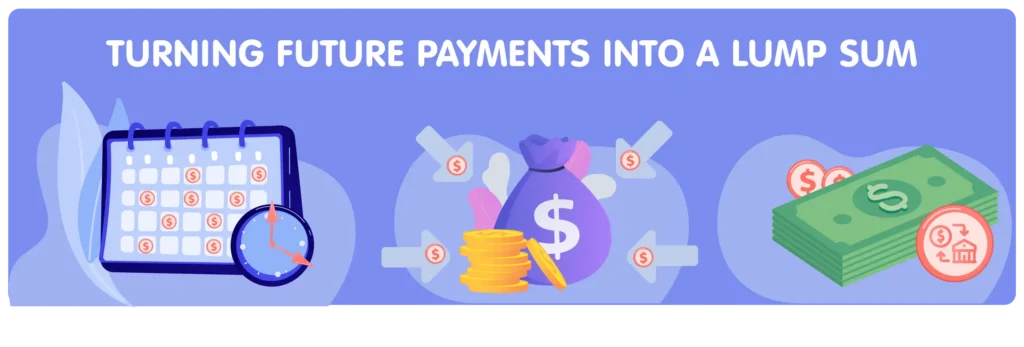
A structured settlement quote — also called a factoring quote — is a written offer from a factoring company to purchase your right to receive future payments in exchange for a lump sum of cash today. The quote will state how much the company is willing to pay you, expressed either as a dollar amount or as a percentage of your total future payments.
Because factoring companies apply a discount rate to every transaction, the lump sum you receive will always be less than the total face value of the payments you are selling. That gap is not a penalty — it reflects the company’s cost of capital, its transaction costs, and the time value of money. Understanding this upfront helps you evaluate whether an offer is fair.
What discount rate should I expect?

The discount rate is the single most important number in any structured settlement quote. It determines how much of your future payment value you will actually receive today.
Across the industry, effective discount rates commonly range from 9% to 18%. In some cases, qualifying sellers who work with our network have accessed rates as low as 8% — though this is not a standard offer and depends on the specific characteristics of your payment stream.
To make those numbers concrete, here is how different discount rates would affect the lump sum you receive on a payment stream with a total face value of $100,000:
| Discount Rate | Face Value of Payments | Amount You Receive |
| 8% | $100,000 | ~$82,000–$86,000 |
| 9% | $100,000 | ~$78,000–$82,000 |
| 12% | $100,000 | ~$68,000–$74,000 |
| 15% | $100,000 | ~$58,000–$65,000 |
| 18% | $100,000 | ~$50,000–$58,000 |
These figures are approximations. The actual lump sum you receive depends on the timing of your individual payments, not just their total face value — a payment due next year is worth more today than one due in 15 years. The table is meant to illustrate the real-dollar impact of discount rate differences, not to serve as a precise quote.
Several factors drive where your quote lands within that range:
- The timing of your payments. Payments due further in the future are worth less today than payments due soon. A payment scheduled 20 years from now carries more discounting than one due next year.
- Current interest rates. When broader interest rates are high, factoring companies must offer higher returns to attract capital, which tends to push discount rates up.
- Your state’s regulations. Some states impose additional legal requirements on structured settlement transfers, which can affect the cost and timeline of a transaction.
- The factoring company’s own fee structure. Each company builds its own costs into the discount rate it offers.
- Legal costs. Every structured settlement transfer requires court approval. Legal and filing fees are part of the transaction cost.
What information do I need to get a quote?

To receive an accurate quote, a factoring company will typically need the following from you:
- The name of the annuity issuer paying your settlement
- Your payment schedule — amounts, frequency, and the dates payments are due
- Whether your payments are life-contingent or guaranteed
- The total remaining value of your payment stream
- Whether you want to sell all payments, a portion of them, or a specific dollar amount
Having your original settlement documents or annuity policy on hand will speed up the process considerably.
Who provides structured settlement quotes?

Factoring companies — also known as structured settlement buyers — provide quotes. These are companies that purchase payment rights from annuity holders in exchange for immediate lump sums. You can sell your payments in full, in part, or for a specific dollar amount depending on your needs and the buyer’s requirements.
It is worth noting that requesting a quote does not affect the value of your settlement, your credit, or your payment stream in any way. There is no cost or obligation to getting a quote.
Should I get more than one quote?
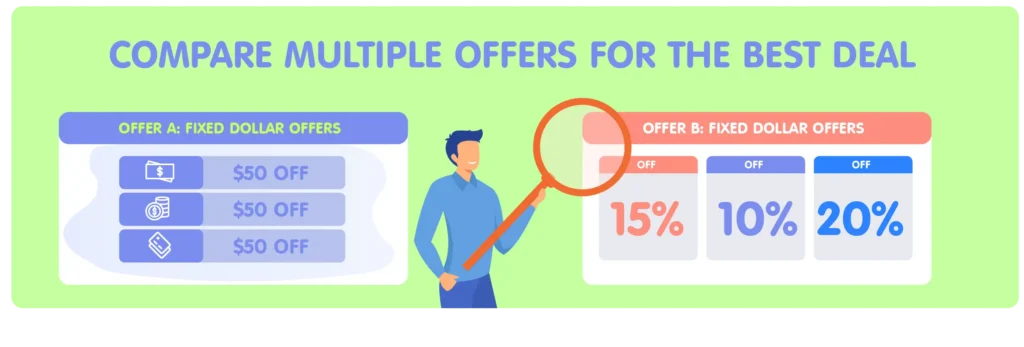
Yes — and this is one of the most important steps you can take. Discount rates vary meaningfully from company to company, and shopping your quote can result in a significantly better offer. Because getting a quote carries no risk or cost to you, there is no reason not to compare.
When comparing quotes, focus on the effective discount rate, not just the lump sum dollar amount, since quotes may cover different portions of your payments. A lower discount rate means a higher percentage of your payment value in your pocket.
Can I negotiate?

Yes. Factoring quotes are often a starting point rather than a final offer. Many sellers negotiate and secure better terms. If you have competing quotes from other companies, sharing them with your preferred buyer is often an effective way to improve an offer.
What’s the actual process after I receive a quote?

Once you accept a quote, the transaction moves through several stages:
- You provide the factoring company with your payment details and the reasons you want to sell.
- The company sends you legal disclosure documents to review. These will detail the full terms of the transaction, including the discount rate and the lump sum you will receive.
- The factoring company files a structured settlement transfer petition with a court in your state.
- A court hearing is scheduled. You will need to appear and explain your reasons for selling. The judge evaluates whether the transaction is in your best interest.
- If the court approves the transfer, funds are typically wired to you within a few business days.
The entire process from accepted quote to funded transfer generally takes 45–90 days, depending on the court’s calendar and your state’s requirements.
Why does a court have to approve my sale?

All 50 states and the District of Columbia have laws — commonly known as Structured Settlement Protection Acts — requiring judicial approval before any structured settlement payment rights can be transferred. These laws were enacted to protect sellers from predatory terms and to ensure that sellers fully understand what they are agreeing to.
The judge’s role is not ceremonial. A judge can and will deny a transfer if the terms appear unfair or if you cannot clearly explain your reasons for selling. In our experience, approval rates vary by jurisdiction. We are aware of at least one judge in the Eastern United States who routinely denies structured settlement transfer petitions on the grounds that they are not in the seller’s best interests — regardless of the individual seller’s circumstances. Your attorney or the factoring company’s legal team can give you a realistic sense of approval timelines and risk in your specific state.
The legal framework most states follow was modeled on the Model Structured Settlement Protection Act, drafted jointly by the National Structured Settlements Trade Association and the National Association of Settlement Purchasers in 2000. That model law established four core requirements: court approval of all transfers, written disclosure of transaction terms to the seller, a cooling-off period during which the seller may cancel, and a prohibition on transfers that conflict with existing court orders or statutes.
About the Author: Jovan Johnson, Esq. is a structured settlement & annuity specialist with 12 years of experience, based in California. He has also practiced as an attorney in consumer and small business bankruptcy and debt settlement. Annuity Freedom has been helping clients sell annuity payments since 2017.
About the Reviewer: Kevin Lowe is the Chief Operating Officer of Genex Capital and has more than a decade of experience in specialty finance and the structured settlement secondary market. Since joining Genex in 2013, he has overseen transaction management, investor relations, compliance, and strategic initiatives across the United States, working closely with annuitants, investors, legal professionals, and financial institutions.
Disclaimer: All tax information that we provide is general. We are not tax experts and are not trying to pretend that we are. Further, we do not know your financial or life circumstances. We recommend that you consult with a tax professional when considering a transaction that includes selling annuity payments.